WASTEWORTH • SHIPPED 2025
Turning Waste into Verified Profit.
WASTEWORTH • SHIPPED 2025
Turning Waste into Verified Profit.
|
My Role
Product Designer
Product Designer
|
Team
1 PM
1 PM
2 Enginners
2 Enginners
2 Designers
2 Designers
|
Timeline
4weeks
4weeks
Aug - Oct 2025
Aug - Oct 2025
|
Deliverable:
User Research
User Research
User Interface design
User Interface design
Prototyping
Prototyping
|
My Role
Product Designer
|
Team
Samuel Leramo
Kizito Ogbe
Blessing Ayakpeme
Adeshola Adeniyi
|
Timeline
4weeks
Aug - Oct 2025
|
Deliverable:
User Research
User Interface design
Prototyping
OVERVIEW
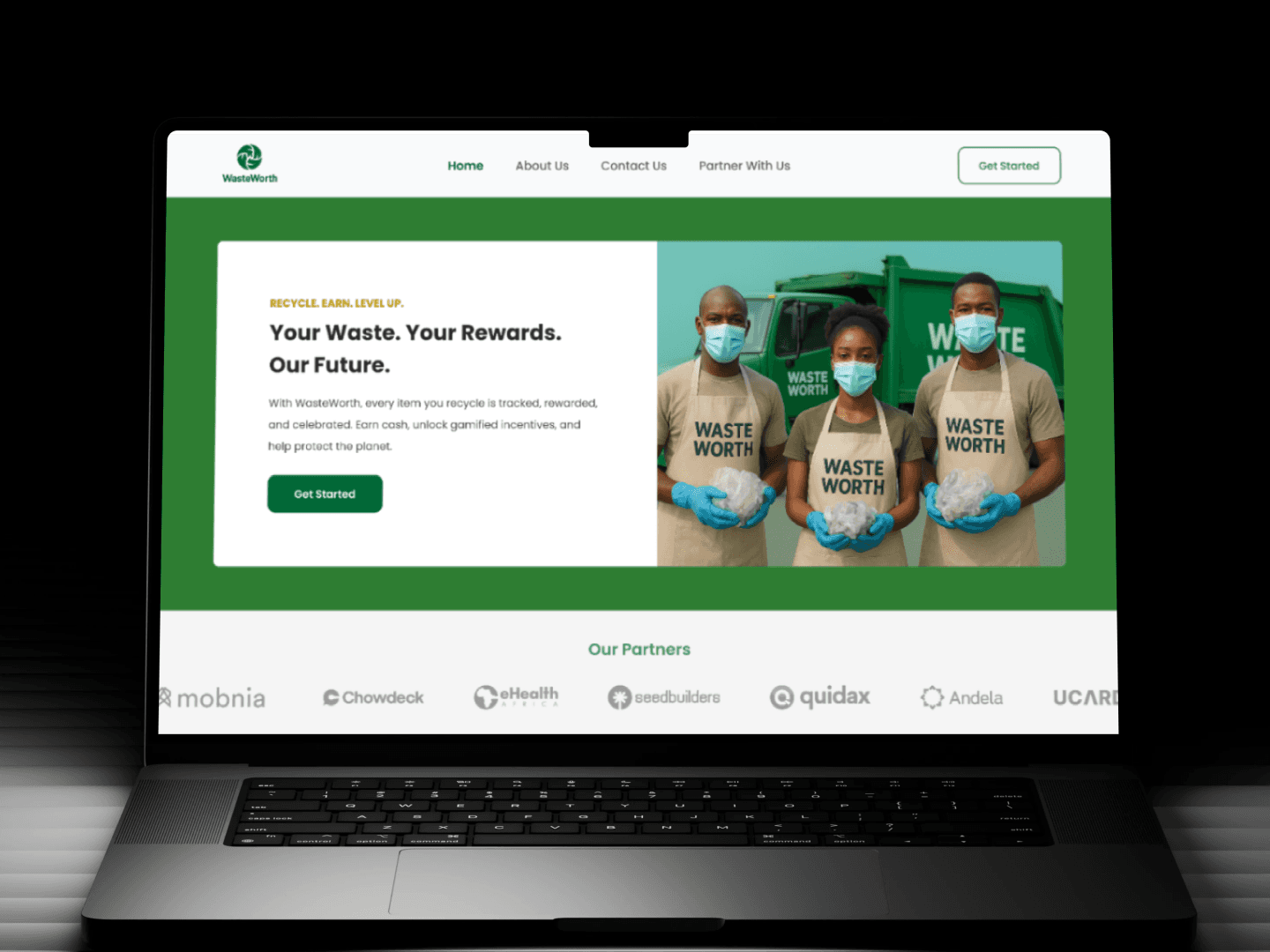
WasteWorth is a digital platform bridging Africa's broken waste ecosystem by connecting waste disposer and waste collectors through a reward-driven marketplace.
Users post recyclables, get matched with verified collectors for easy pickups, and earn instant rewards through secure escrow payments—all while tracking their environmental impact via gamified dashboards. By transforming waste from a pollution problem into a profitable, traceable opportunity, we're unlocking financial inclusion, driving environmental progress, and building cleaner, more sustainable cities across Africa.
Users post recyclables, get matched with verified collectors for easy pickups, and earn instant rewards through secure escrow payments—all while tracking their environmental impact via gamified dashboards. By transforming waste from a pollution problem into a profitable, traceable opportunity, we're unlocking financial inclusion, driving environmental progress, and building cleaner, more sustainable cities across Africa.
SOLUTION
Avalern : an AI-powered learning platform that personalizes how you learn.
WasteWorth bridges waste producers and recyclers through a reward-driven, traceable digital platform. Users can post recyclables, connect with verified collectors, earn instant rewards, and track their environmental impact. With escrow payments, gamification, and community dashboards, WasteWorth turns waste management into a profitable, purpose-driven lifestyle.
PROBLEM
Bridging the Gap: How Africa's Broken Waste Chain Costs Communities, Recyclers, and the Environment
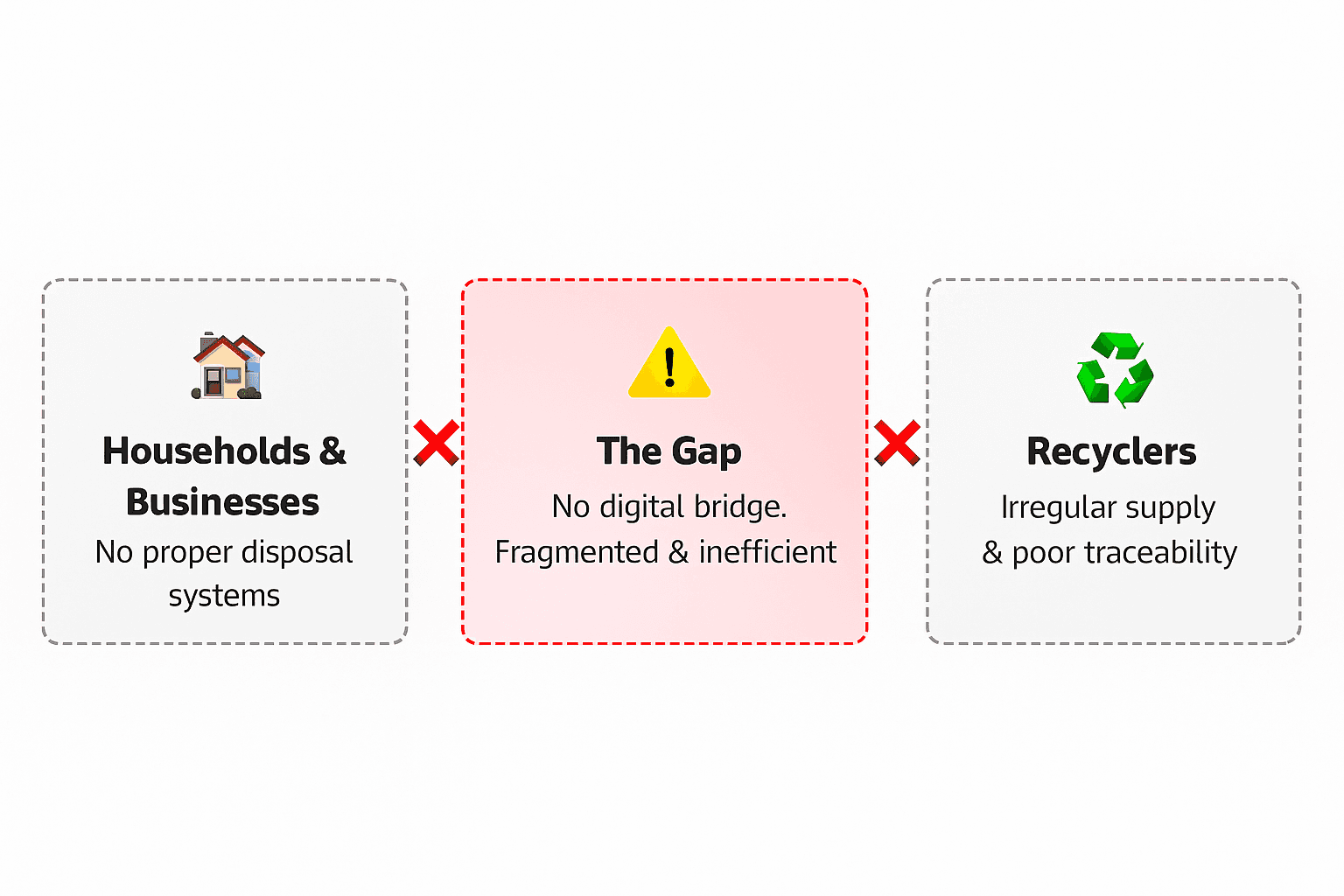
In many African cities, waste management is fragmented and inefficient. Households and businesses lack proper disposal systems, causing pollution and lost value, while recyclers face irregular supply and poor traceability. Without a digital bridge between disposers and recyclers, the ecosystem stays disorganized, limiting both environmental progress and financial inclusion.
In many African cities, waste management is fragmented and inefficient. Households and businesses lack proper disposal systems, causing pollution and lost value, while recyclers face irregular supply and poor traceability. Without a digital bridge between disposers and recyclers, the ecosystem stays disorganized, limiting both environmental progress and financial inclusion.
SOLUTION
SOLUTION
SOLUTION
WasteWorth : A Digital Marketplace Brigding the gaps between disposers and recyclers in the green sector.
WasteWorth bridges waste producers and recyclers through a reward-driven, traceable digital platform. Users can post recyclables, connect with verified collectors, earn instant rewards, and track their environmental impact while recyclers can search for and buy waste from verified disposers . With escrow payments, gamification, and community dashboards, WasteWorth turns waste management into a profitable, purpose-driven lifestyle.
WasteWorth bridges waste producers and recyclers through a reward-driven, traceable digital platform. Users can post recyclables, connect with verified collectors, earn instant rewards, and track their environmental impact while recyclers can search for and buy waste from verified disposers . With escrow payments, gamification, and community dashboards, WasteWorth turns waste management into a profitable, purpose-driven lifestyle.
Recyclers: find
Recyclers: find
Disposers can quickly post recyclables from their dashboard, add basic details, and request pickup.
Disposers can quickly post recyclables from their dashboard, add basic details, and request pickup.
OUTCOME
OUTCOME
OUTCOME
WasteWorth is live 🥳
Wasteworth is live and on its way to securing patnerships with varous Waste communities like and Intiatives in Africa :
Wasteworth is live and on its way to securing patnerships with varous Waste communities like and Intiatives in Africa :

RESEARCH & INSIGHTS
RESEARCH & INSIGHTS
RESEARCH & INSIGHTS
Researching the Waste Industry Landscape and current market condition
I led a lightweight mixed-methods research phase
We went deep into understanding the waste industry landscape, the market and what waste trading was all about and the processes involved, we spoke to various wasters traders
We went deep into understanding the waste industry landscape, the market and what waste trading was all about and the processes involved, we spoke to various wasters traders
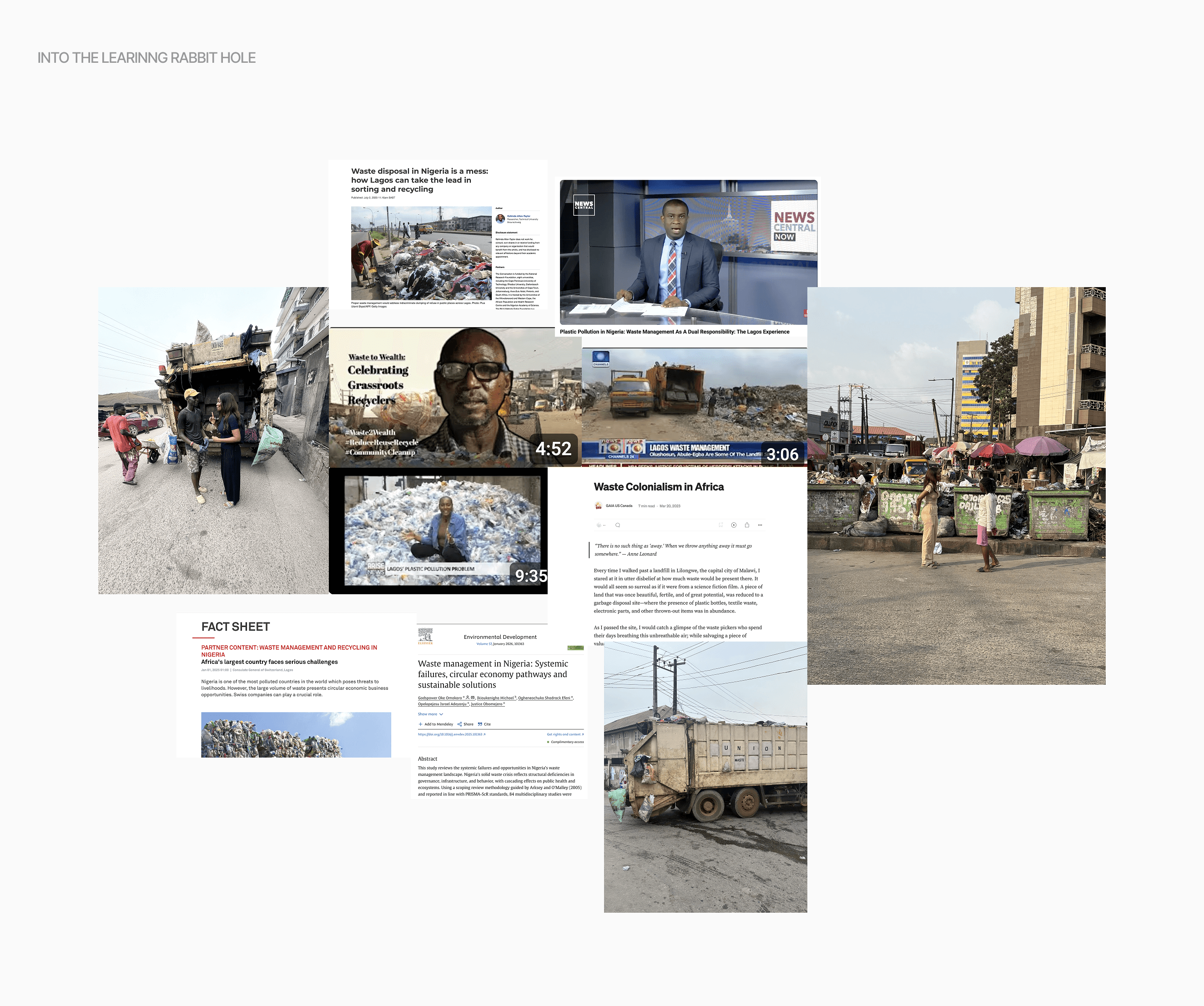
Landscape review of local recycling initiatives and media coverage of waste issues
Landscape review of local recycling initiatives and media coverage of waste issues
Landscape review of local recycling initiatives and media coverage of waste issues
What the survey revealed about current behaviour
We put out a survey to understand how users actually deal with recyclable waste, below are some highlighted responses from both trading parties (recyclers and disposers).
We put out a survey to understand how users actually deal with recyclable waste, below are some highlighted responses from both trading parties (recyclers and disposers).

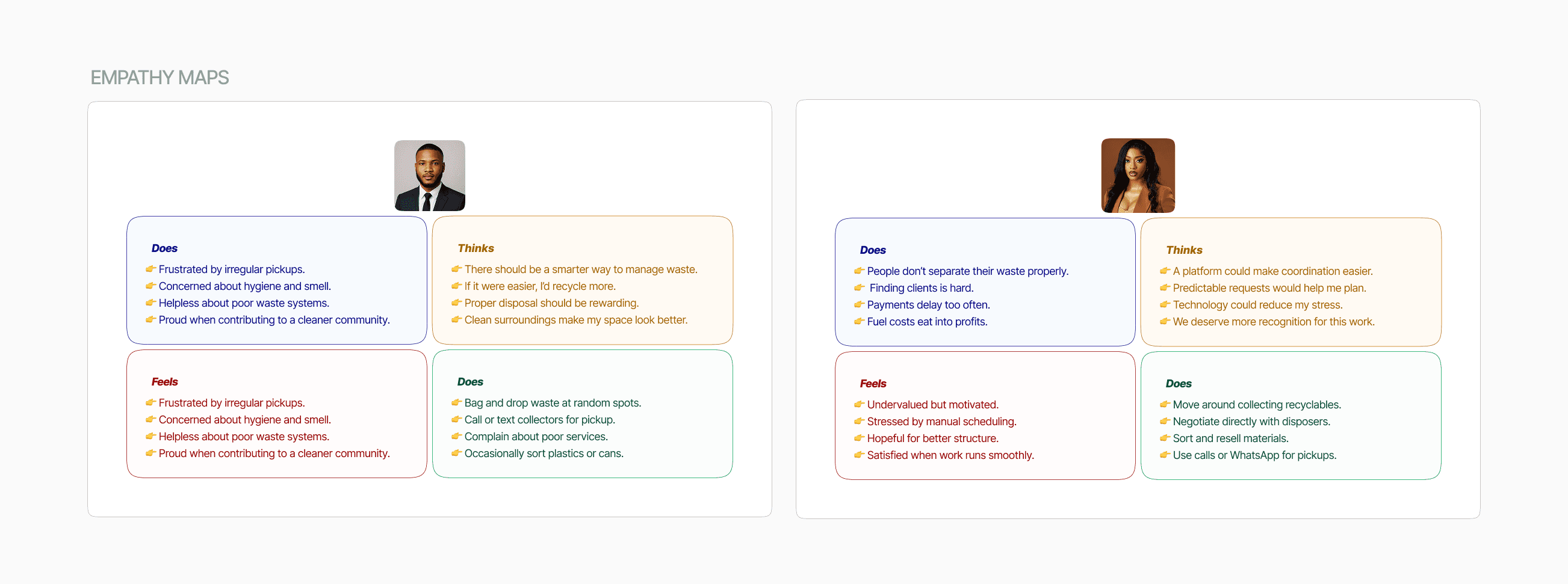
With the collected responses we were able then mapped empathy and journey maps for both trading parties (disposers and recyclers). helping use see the emotions and frictions behind the waste trading process.
Is WasteWorth actually solving a problem people care about? This was a question I asked myself because I understood that my design solution wouldn't matter if there is no market for it.
So to determine if this was actually a problem they cared about I surveyed households and recyclers.
Recyclers want to find collectors
Recyclers and small collection centres are constantly moving, negotiating and sorting materials. They say clients don’t separate waste properly and that payments are often delayed. They feel undervalued and stressed by manual scheduling, but remain hopeful for better structure. Their current workflow is very manual: they rely on calls and WhatsApp, drive around to check sites, and juggle fuel costs that eat into profit.
Recyclers and small collection centres are constantly moving, negotiating and sorting materials. They say clients don’t separate waste properly and that payments are often delayed. They feel undervalued and stressed by manual scheduling, but remain hopeful for better structure. Their current workflow is very manual: they rely on calls and WhatsApp, drive around to check sites, and juggle fuel costs that eat into profit.
“Together, these patterns showed that both disposers and recyclers are stuck in informal systems, which guided us to design WasteWorth as a simple digital marketplace with reliable pickups and clear value for waste.
“Together, these patterns showed that both disposers and recyclers are stuck in informal systems, which guided us to design WasteWorth as a simple digital marketplace with reliable pickups and clear value for waste.
Disposers want to find collectors
From the empathy map, disposers (households, SMEs, shop owners) see recycling as “extra stress” on top of busy lives. They want someone reliable to pick up their waste on time, without smell and mess hanging around. They feel frustrated by irregular pickups and helpless about poor city-level waste systems, but they’re proud when they contribute to a cleaner environment. Today, they call or text collectors, drop bags at random spots, and complain when service is poor.
From the empathy map, disposers (households, SMEs, shop owners) see recycling as “extra stress” on top of busy lives. They want someone reliable to pick up their waste on time, without smell and mess hanging around. They feel frustrated by irregular pickups and helpless about poor city-level waste systems, but they’re proud when they contribute to a cleaner environment. Today, they call or text collectors, drop bags at random spots, and complain when service is poor.
Gaps in Existing Solutions.
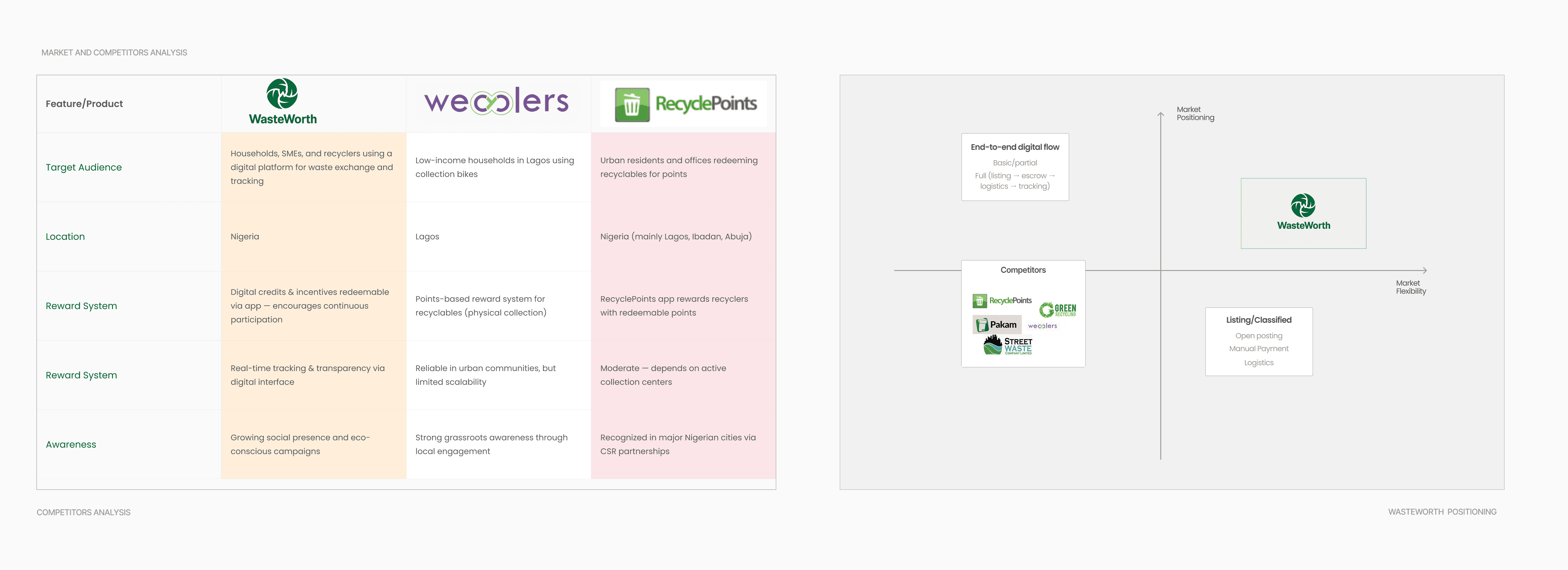
We reviewed local recycling initiatives like Wecyclers and RecyclePoints. While they connect both waste trading parties(recyclers and disposers) , they do so mainly through physical channels, limiting them to specific cities and keeping the waste trading process manual and inflexible.
We reviewed local recycling initiatives like Wecyclers and RecyclePoints. While they connect both waste trading parties(recyclers and disposers) , they do so mainly through physical channels, limiting them to specific cities and keeping the waste trading process manual and inflexible.
Insights that shaped the product design
Pulling the entire research findings together, here are the insights that shaped the design of the product
Pulling the entire research findings together, here are the insights that shaped the design of the product
Pulling the entire research findings together, here are the insights that shaped the design of the product
Trust and reliability are more important than pure rewards
Trust and reliability are more important than pure rewards
Trust and reliability are more important than pure rewards
People worry about failed pickups, delayed payments and unresponsive collectors.
People worry about failed pickups, delayed payments and unresponsive collectors.
The current system is fragmented and manual
The current system is fragmented and manual
The current system is fragmented and manual
Deals happen across calls, chats and informal arrangements, with no single source of truth.
Deals happen across calls, chats and informal arrangements, with no single source of truth.
Both sides want structure without extra complexity
Both sides want structure without extra complexity
Both sides want structure without extra complexity
Disposers want a simple way to get rid of waste and get paid; recyclers want clearer listings and predictable supply.
Disposers want a simple way to get rid of waste and get paid; recyclers want clearer listings and predictable supply.
RESEARCH
Problem Validation and Market opportunity
Is WasteWorth actually solving a problem people care about? This was a question I asked myself because I understood that my design solution wouldn't matter if there is no market for it.
So to determine if this was actually a problem they cared about I surveyed households and recyclers.
These insights highlighted a clear opportunity: build a reliable, convenient, and transparent platform that connects both sides and makes recycling effortless and rewarding.
PROCESS
Translating research data into userflows
WasteWorth is built around two main personas : disposers and recyclers. Both journeys start from the dashboard, which acts as the home base for everything they need to do (We didn't design the landing page the company already had that so our design started from the dashboards).
Is WasteWorth actually solving a problem people care about? This was a question I asked myself because I understood that my design solution wouldn't matter if there is no market for it.
So to determine if this was actually a problem they cared about I surveyed households and recyclers.
For disposers, the main path is: dashboard → Post waste → track items in My waste / My waste details → see money and points in Wallet & rewards after pickup and payment are confirmed. This keeps their key questions in one place: What did I post? What’s in progress? How much have I earned?
For disposers, the main path is: dashboard → Post waste → track items in My waste / My waste details → see money and points in Wallet & rewards after pickup and payment are confirmed. This keeps their key questions in one place: What did I post? What’s in progress? How much have I earned?
For disposers, the main path is: dashboard → Post waste → track items in My waste / My waste details → see money and points in Wallet & rewards after pickup and payment are confirmed. This keeps their key questions in one place: What did I post? What’s in progress? How much have I earned?
For recyclers, the path is: dashboard → browse the Marketplace → manage trades in My offers / My offers details → complete pickups and trigger payment via Make payments and Wallet & rewards. This lets them quickly find offers, plan collections, and check which deals are done.
For recyclers, the path is: dashboard → browse the Marketplace → manage trades in My offers / My offers details → complete pickups and trigger payment via Make payments and Wallet & rewards. This lets them quickly find offers, plan collections, and check which deals are done.
For recyclers, the path is: dashboard → browse the Marketplace → manage trades in My offers / My offers details → complete pickups and trigger payment via Make payments and Wallet & rewards. This lets them quickly find offers, plan collections, and check which deals are done.
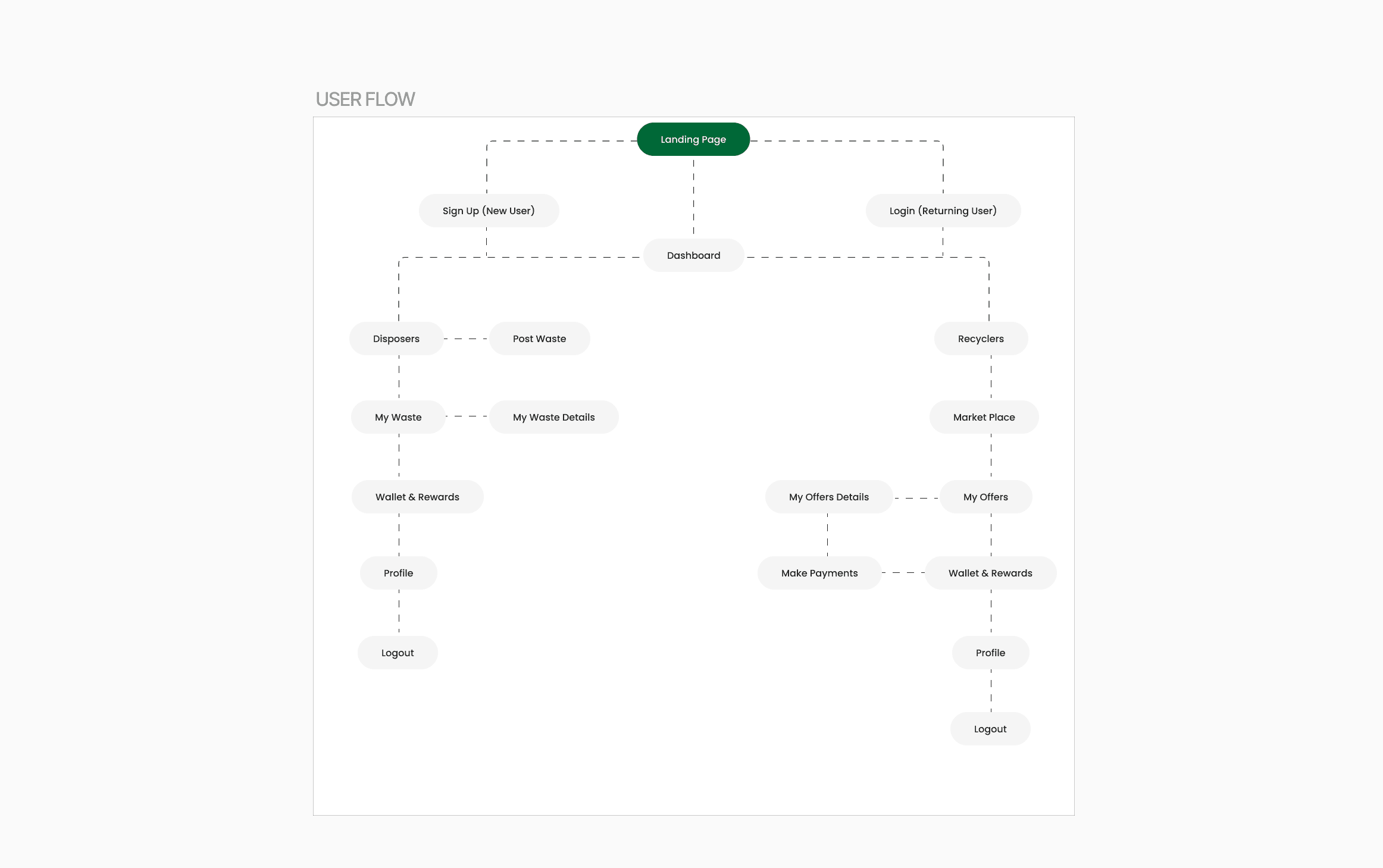
during the research phase we discoverd that most of the users were Novice/Non-technical so we to keep there paths exetremly simple and shallow and reduce cognitive load as much as possible.
during the research phase we discoverd that most of the users were Novice/Non-technical so we to keep there paths exetremly simple and shallow and reduce cognitive load as much as possible.
RESEARCH
Problem Validation and Market opportunity
Is WasteWorth actually solving a problem people care about? This was a question I asked myself because I understood that my design solution wouldn't matter if there is no market for it.
So to determine if this was actually a problem they cared about I surveyed households and recyclers.
These insights highlighted a clear opportunity: build a reliable, convenient, and transparent platform that connects both sides and makes recycling effortless and rewarding.
From Userflows to Visual design
Once the core flows were defined for disposers and recyclers, I translated them into low-fidelity wireframes. The goal at this stage wasn’t to make things pretty, but to test layout, information hierarchy and the key components each screen needed. I used these first drafts to check: “Can each role see what they need to do next?” and “Is the path from posting waste or accepting an offer to getting paid obvious?” The design started of with an intial low-fi draft, the goal at this stage was to define visual structure, neccarssry components to highlight the releveance features and to test initials ideas and make quick refinements with very minimal design investments. These first drafts where prototyped and tested and iterated based on relevant findings, I've highlighted some key iterations we encounters in the design process below
Once the core flows were defined for disposers and recyclers, I translated them into low-fidelity wireframes. The goal at this stage wasn’t to make things pretty, but to test layout, information hierarchy and the key components each screen needed. I used these first drafts to check: “Can each role see what they need to do next?” and “Is the path from posting waste or accepting an offer to getting paid obvious?” The design started of with an intial low-fi draft, the goal at this stage was to define visual structure, neccarssry components to highlight the releveance features and to test initials ideas and make quick refinements with very minimal design investments. These first drafts where prototyped and tested and iterated based on relevant findings, I've highlighted some key iterations we encounters in the design process below
Key design iterations
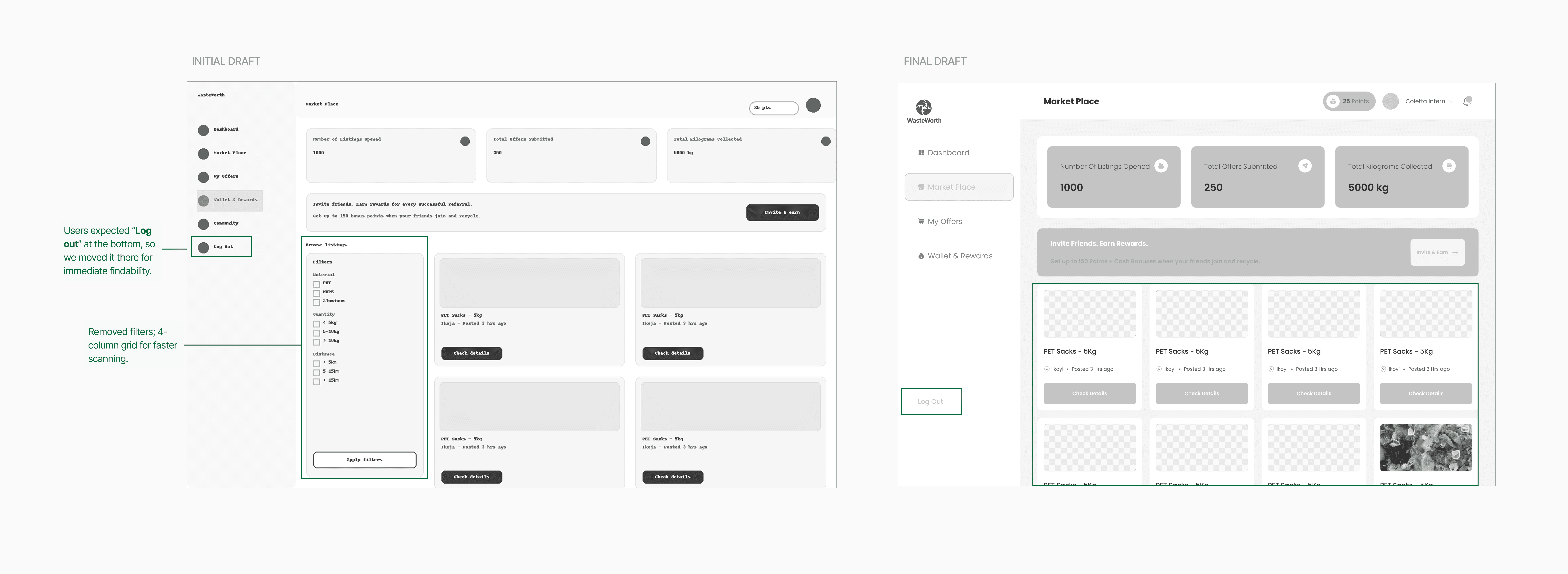
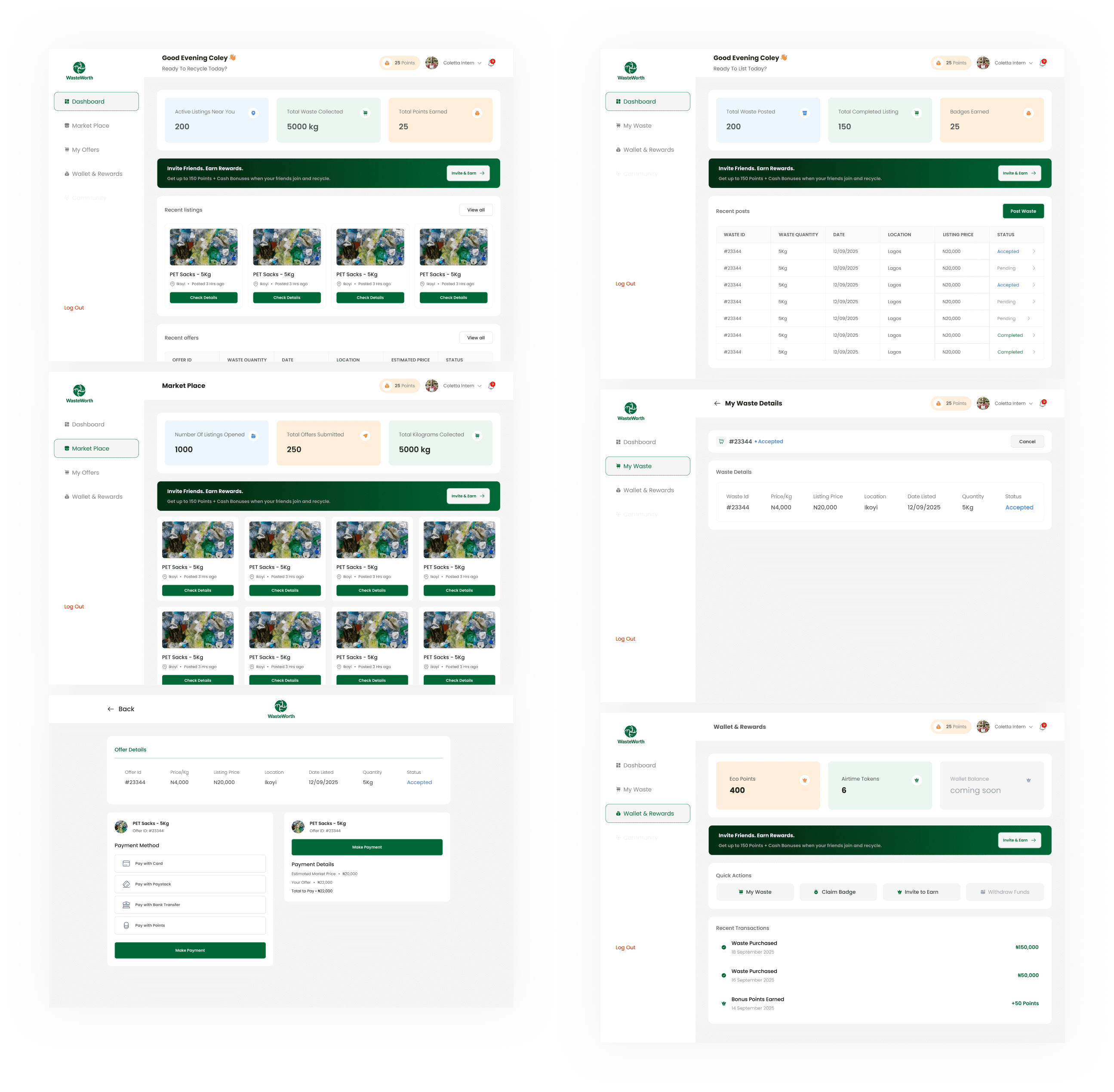
We designed the marketplace for quick, easy browsing and initially added persistent filters to help users search faster. Usability testing showed this actually increased cognitive load for many novice and non-technical users, who felt they had to work just to see enough offers.
In the final design, we removed the persistent filter rail and introduced a denser four-column card grid so the marketplace feels like a trading board: users land, immediately see inventory, and scroll to explore. We also moved “Log out” to the bottom of the sidebar to align with familiar dashboard patterns and reduce wayfinding friction.
We designed the marketplace for quick, easy browsing and initially added persistent filters to help users search faster. Usability testing showed this actually increased cognitive load for many novice and non-technical users, who felt they had to work just to see enough offers.
In the final design, we removed the persistent filter rail and introduced a denser four-column card grid so the marketplace feels like a trading board: users land, immediately see inventory, and scroll to explore. We also moved “Log out” to the bottom of the sidebar to align with familiar dashboard patterns and reduce wayfinding friction.
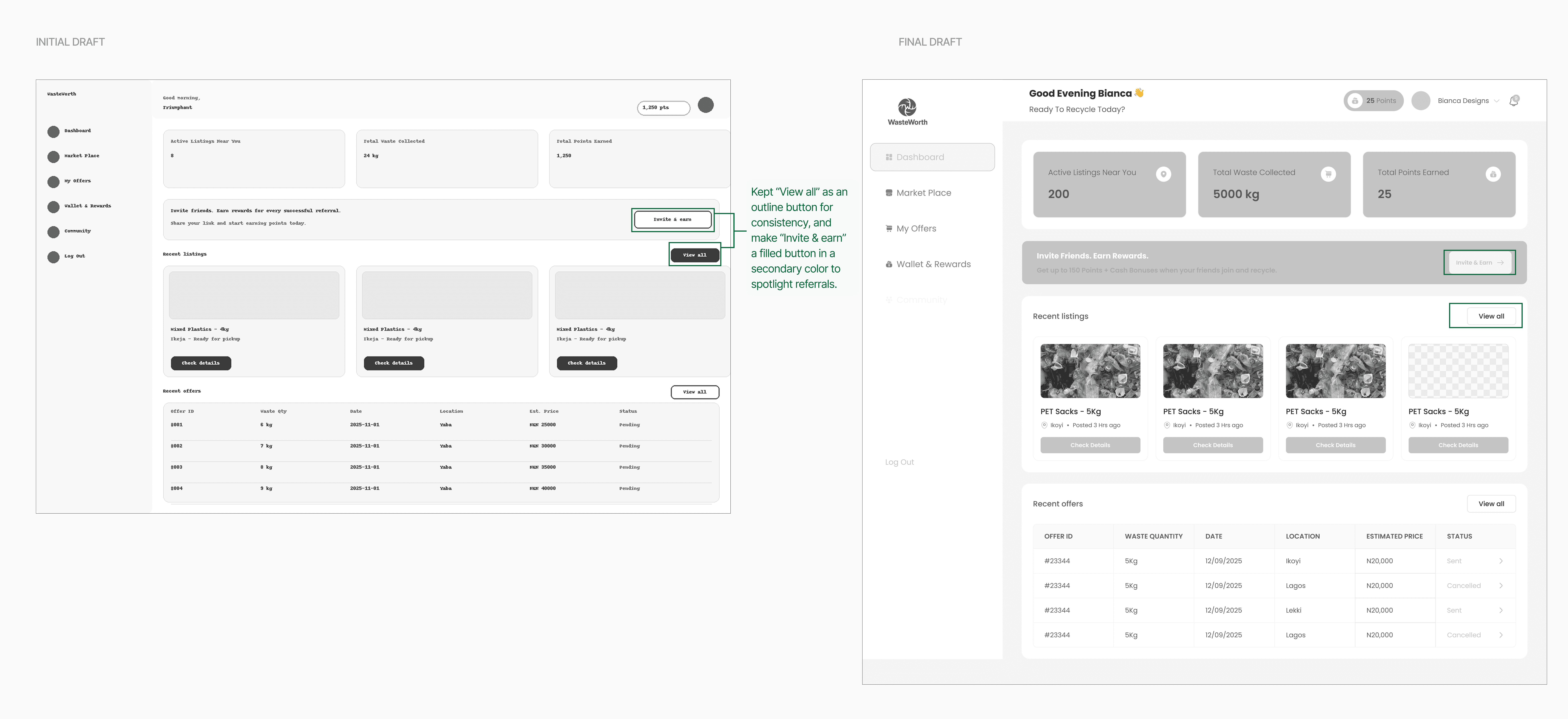
On the main dashboard hero, we originally positioned two key actions: browsing offers (“View all”) as the primary CTA and “Invite & earn” as a secondary growth lever. “View all” used the primary filled style to focus attention on the “Recent listings” section, while “Invite & earn” was outlined.
Usability testing challenged that assumption. Users were confused by the relationship between “View all” and the “Check details” button on each card, and it became clear their true goal wasn’t just to browse—it was to complete a trade quickly. Browsing is a supporting behavior; “Check details” is the action that actually moves them toward purchasing waste.
In the final iteration, we realigned the hierarchy to match this behavior. “View all” was restyled as an outline to signal its secondary, optional role, while “Check details” became the clear primary action on each card, and “Invite & earn” was promoted to a filled secondary button to support growth without competing with the core trading flow.This keeps browsing as the primary action while still giving referrals a strong, but clearly secondary, affordance.
On the main dashboard hero, we originally positioned two key actions: browsing offers (“View all”) as the primary CTA and “Invite & earn” as a secondary growth lever. “View all” used the primary filled style to focus attention on the “Recent listings” section, while “Invite & earn” was outlined.
Usability testing challenged that assumption. Users were confused by the relationship between “View all” and the “Check details” button on each card, and it became clear their true goal wasn’t just to browse—it was to complete a trade quickly. Browsing is a supporting behavior; “Check details” is the action that actually moves them toward purchasing waste.
In the final iteration, we realigned the hierarchy to match this behavior. “View all” was restyled as an outline to signal its secondary, optional role, while “Check details” became the clear primary action on each card, and “Invite & earn” was promoted to a filled secondary button to support growth without competing with the core trading flow.This keeps browsing as the primary action while still giving referrals a strong, but clearly secondary, affordance.
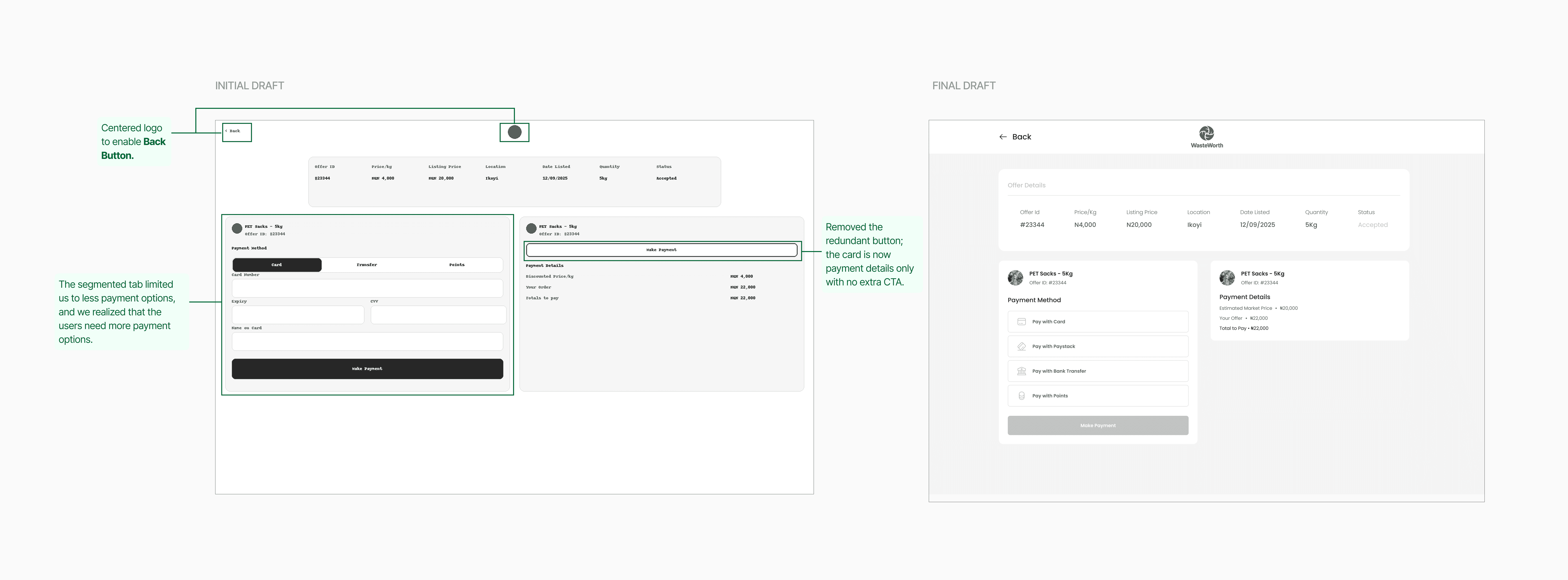
For the checkout flow, we initially used a segmented control to switch between payment methods and placed the Payment Method card on the left and Payment Details on the right. In testing, we saw users hesitate. They wanted to confirm what they were paying for before choosing how to pay, and the segmented control added unnecessary cognitive load, forcing them to switch tabs to see other options and adding an extra click.
We simplified the layout into stacked cards for payment options and reordered the sequence to: Offer details → Payment details → Payment method. This aligns with a natural left-to-right, top-to-bottom reading pattern and respects the mental model of first reviewing the offer, then understanding the cost, and finally choosing how to pay.
For the checkout flow, we initially used a segmented control to switch between payment methods and placed the Payment Method card on the left and Payment Details on the right. In testing, we saw users hesitate. They wanted to confirm what they were paying for before choosing how to pay, and the segmented control added unnecessary cognitive load, forcing them to switch tabs to see other options and adding an extra click.
We simplified the layout into stacked cards for payment options and reordered the sequence to: Offer details → Payment details → Payment method. This aligns with a natural left-to-right, top-to-bottom reading pattern and respects the mental model of first reviewing the offer, then understanding the cost, and finally choosing how to pay.
Dispoers Dashboard
Dispoers Dashboard
Dispoers Dashboard
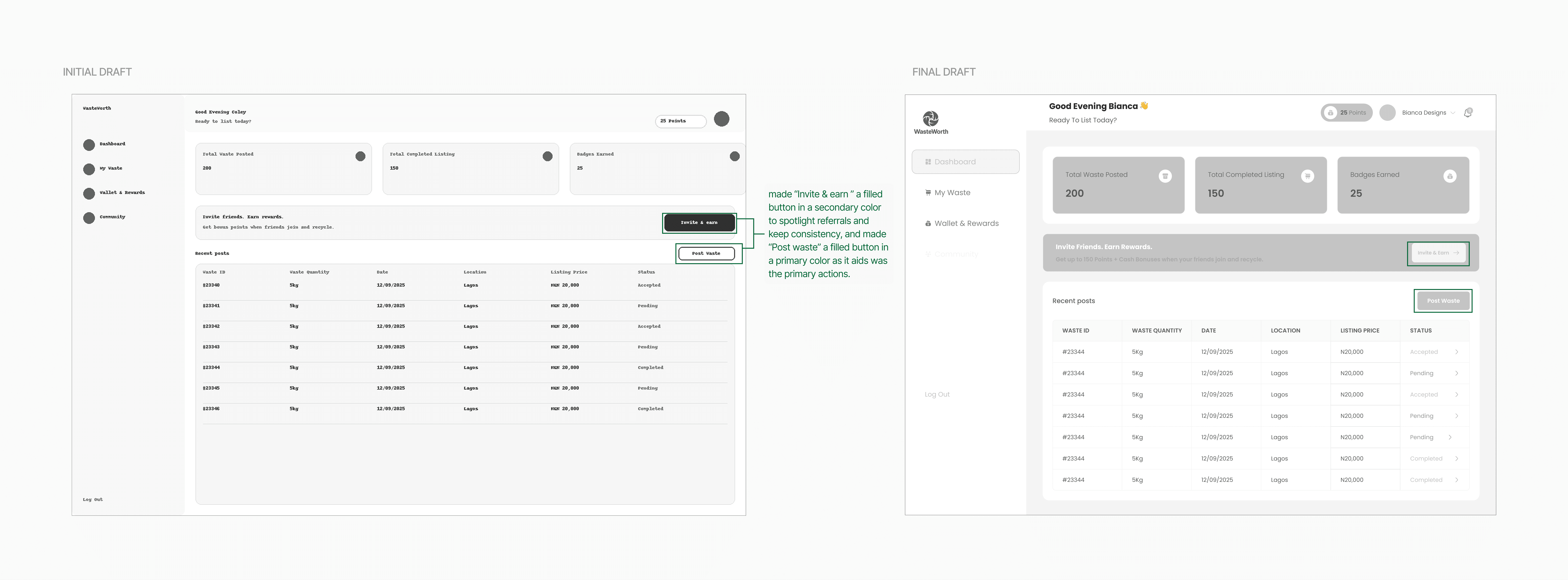
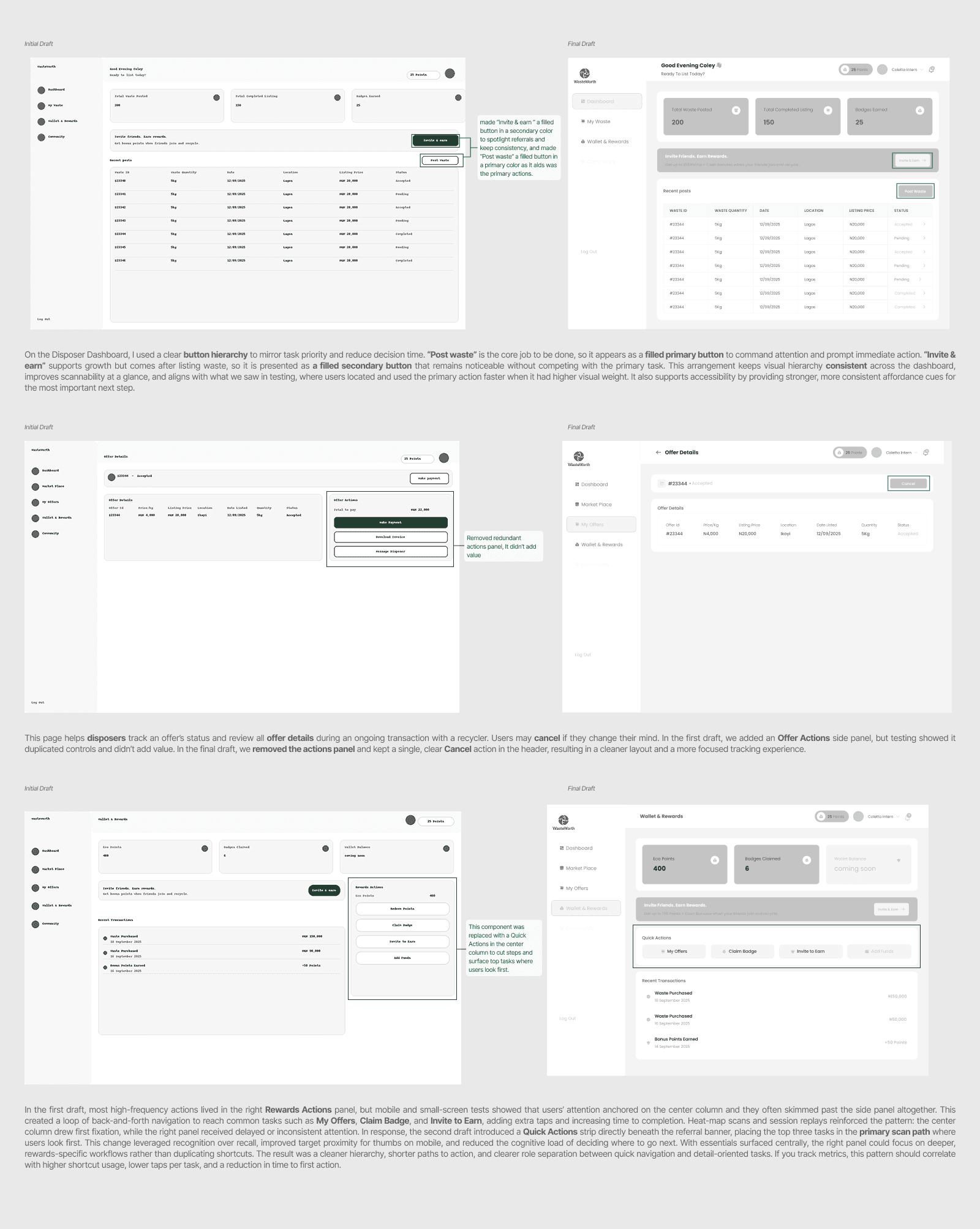
In the first draft, the “Post waste” and “Invite & earn” buttons had an inverted visual hierarchy. “Post waste” was outlined, while “Invite & earn” was filled, so the referral CTA drew more attention. In testing, disposers hesitated because their primary goal was to sell waste, and the path to do that was not visually dominant.
Testing clarified that listing waste is the core job, and referrals are a secondary growth lever. We updated the hierarchy so “Post waste” became the bold primary button, while “Invite & earn” moved to a clear but secondary style. This keeps the interface focused on completing transactions, while still giving referrals a visible supporting role.
In the first draft, the “Post waste” and “Invite & earn” buttons had an inverted visual hierarchy. “Post waste” was outlined, while “Invite & earn” was filled, so the referral CTA drew more attention. In testing, disposers hesitated because their primary goal was to sell waste, and the path to do that was not visually dominant.
Testing clarified that listing waste is the core job, and referrals are a secondary growth lever. We updated the hierarchy so “Post waste” became the bold primary button, while “Invite & earn” moved to a clear but secondary style. This keeps the interface focused on completing transactions, while still giving referrals a visible supporting role.
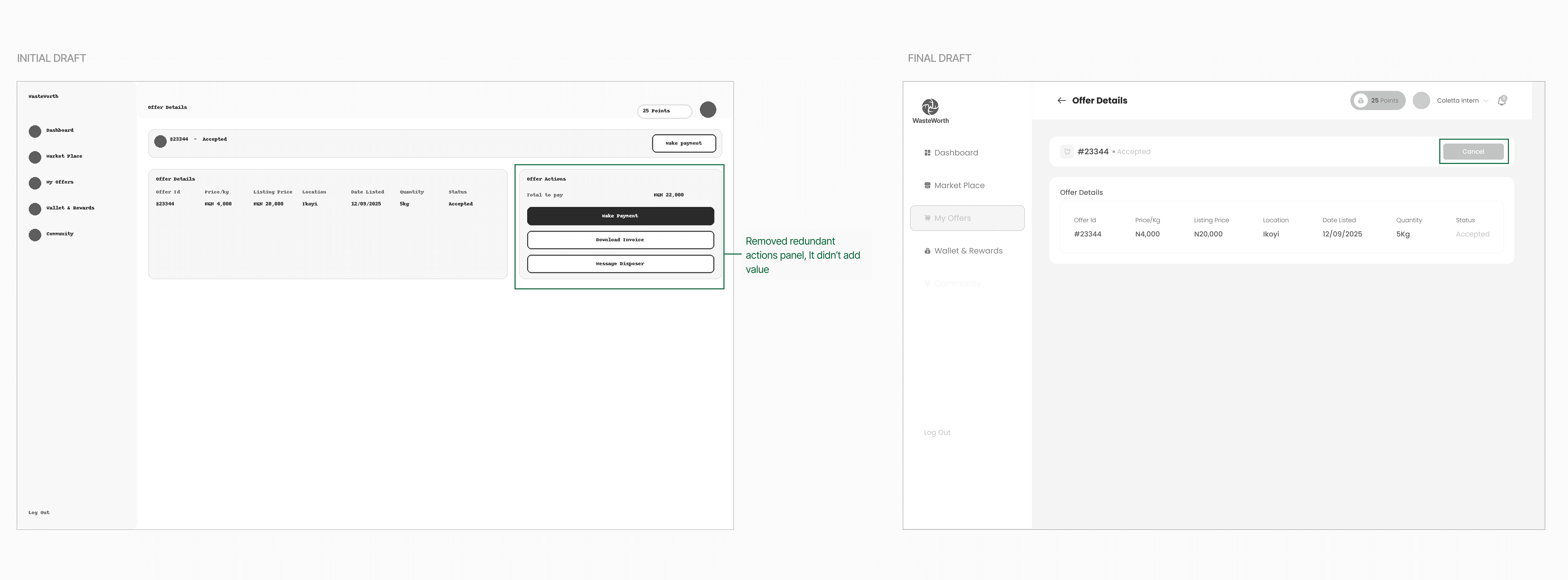
The initial offer-details screen used a separate “Offer actions” panel with multiple buttons to guide users to the next step. In usability sessions, people paused, scanned the page twice, and were unsure which button to use. The component felt unfamiliar, created hesitation, and slowed completion times.
We removed the “Offer actions” panel and the “Make payment” button, which was not needed for disposers at this stage. Instead, we introduced a clear “Cancel” button in the header, based on a need we observed during testing for more control over cancelling offers. This simplified the mental model and made it easier for disposers to review an offer and act with confidence.
The initial offer-details screen used a separate “Offer actions” panel with multiple buttons to guide users to the next step. In usability sessions, people paused, scanned the page twice, and were unsure which button to use. The component felt unfamiliar, created hesitation, and slowed completion times.
We removed the “Offer actions” panel and the “Make payment” button, which was not needed for disposers at this stage. Instead, we introduced a clear “Cancel” button in the header, based on a need we observed during testing for more control over cancelling offers. This simplified the mental model and made it easier for disposers to review an offer and act with confidence.
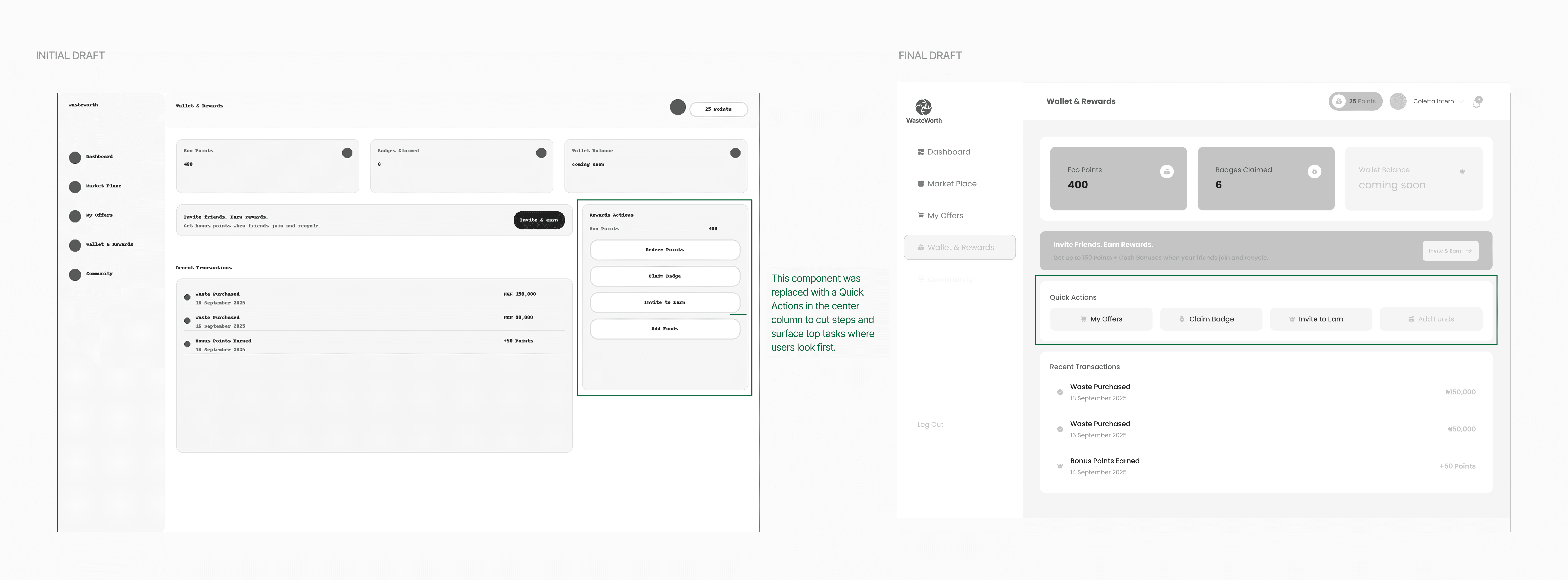
In the first draft, we used a two-directional layout, arranging elements both top to bottom and left to right. This structure added cognitive load, and users hesitated before interacting with the interface. In the next draft, we shifted to a single top-to-bottom flow, and usability tests showed less hesitation and faster task completion.
In the first draft, we used a two-directional layout, arranging elements both top to bottom and left to right. This structure added cognitive load, and users hesitated before interacting with the interface. In the next draft, we shifted to a single top-to-bottom flow, and usability tests showed less hesitation and faster task completion.
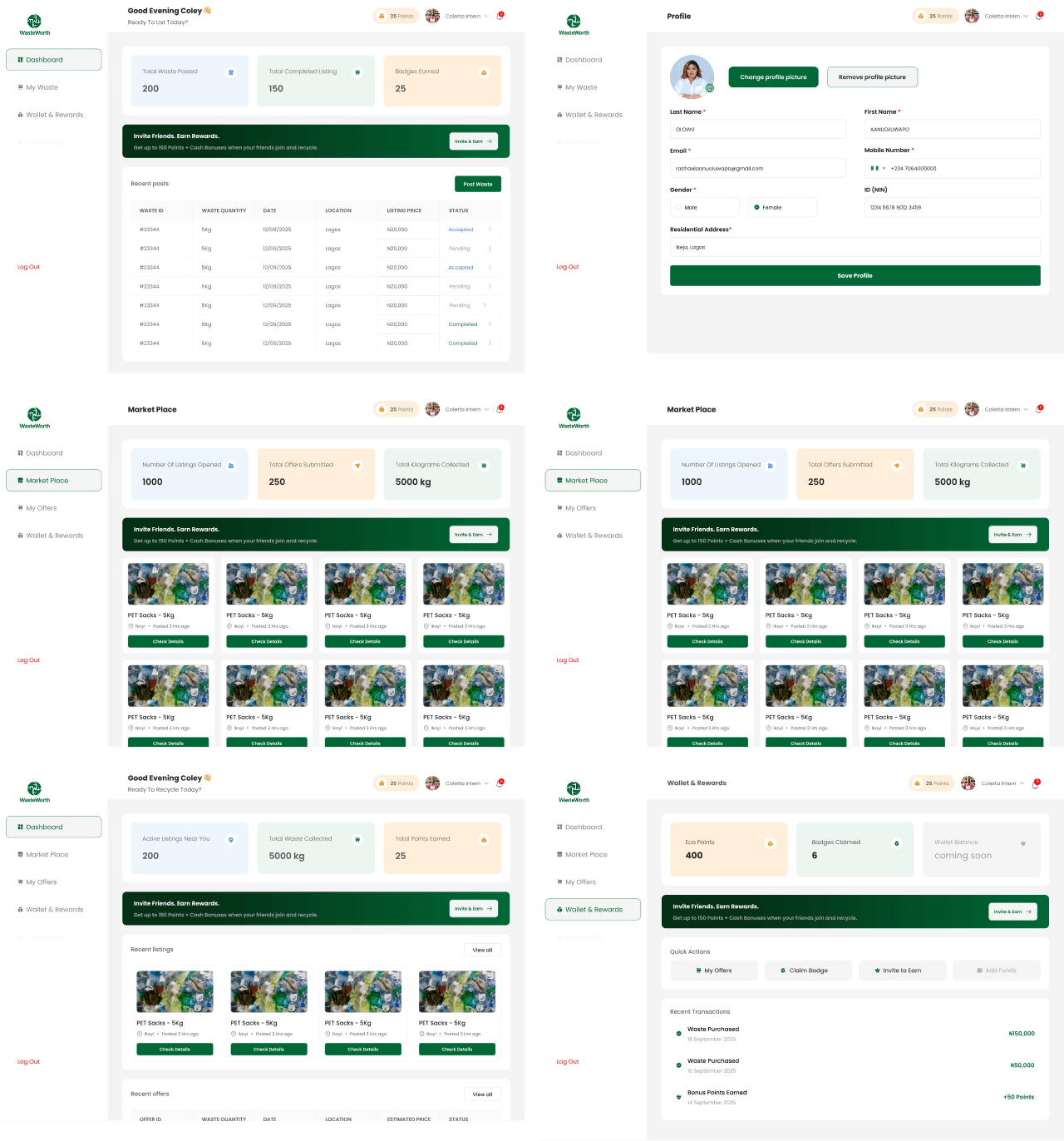
Final Mockups
Mobile responsive
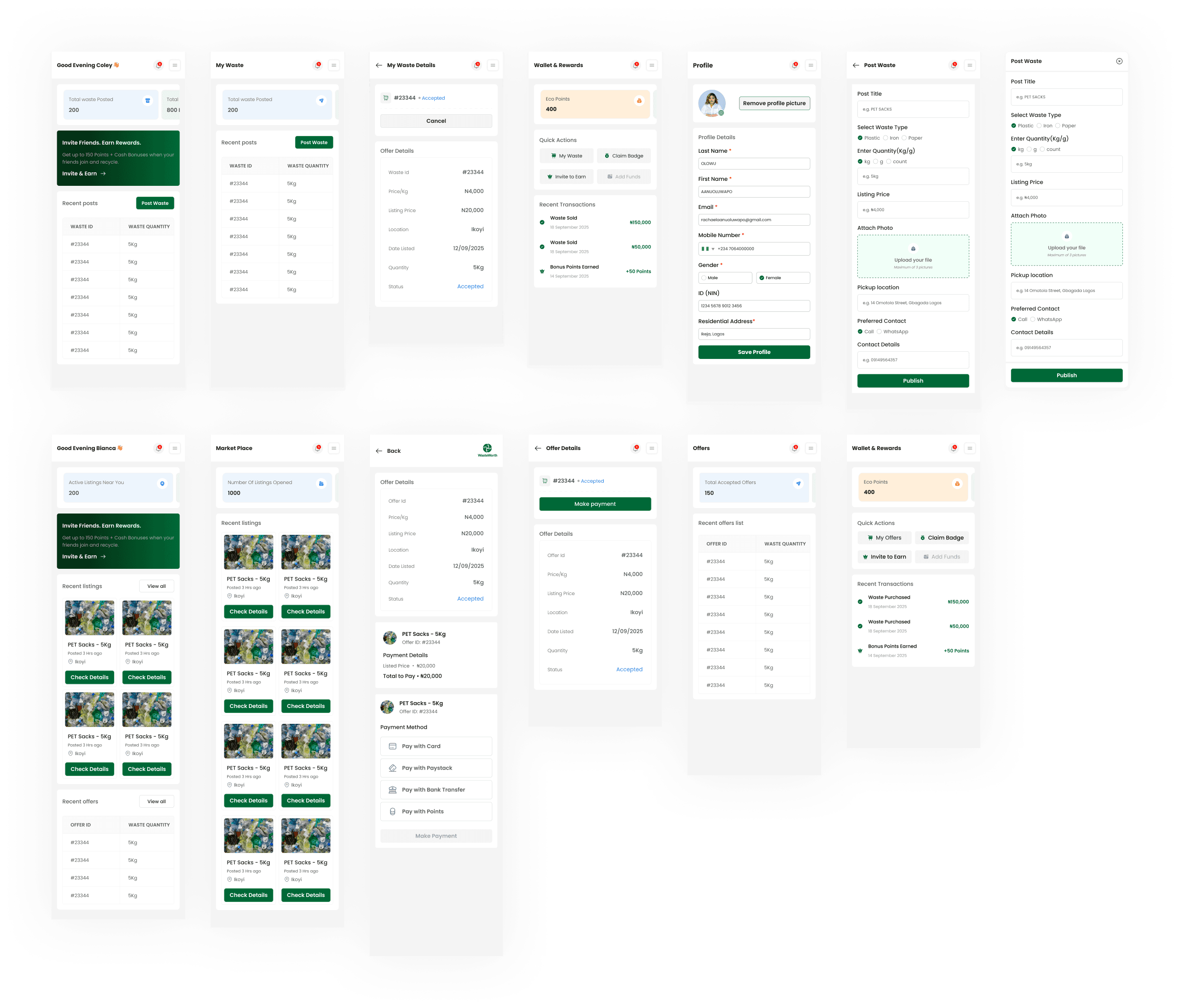
We design for mobile viewport to ensure accessibility and convenience as we found that over 90% of the users used mobile device to access the platform.
We design for mobile viewport to ensure accessibility and convenience as we found that over 90% of the users used mobile device to access the platform.
REFLECTION
REFLECTION
What I Learned
Keep cutting it down the to MLP.
Keep cutting it down the to MLP.
Keep cutting it down the to MLP.
We were laser-focused on shipping a Minimum Lovable Product, and that's what allowed us to shi[] fast and quickly gather feedback.
We were laser-focused on shipping a Minimum Lovable Product, and that's what allowed us to shi[] fast and quickly gather feedback.
Push back against stakeholders who think solution-first
Push back against stakeholders who think solution-first
Push back against stakeholders who think solution-first
Our problem statement had a solution in mind. We had to go beyond that and build a solution to solve the underlying problems even if it wasn't as “cool”.
Our problem statement had a solution in mind. We had to go beyond that and build a solution to solve the underlying problems even if it wasn't as “cool”.
CONCLUSION & TEAM COLLABORATION
CONCLUSION & TEAM COLLABORATION
CONCLUSION & COLLABORATION
I had the oppourtunity to impact lives
I'm deeply grateful to Interpulse for the opportunity to contribute to WasteWorth, a platform transforming lives across Nigeria by empowering people financially through accessible recycling. Our future vision to scale via USSD will reach underserved communities without smartphones, empowering over 200 million Nigerians and creating real pathways out of poverty while turning waste into worth.
I'm deeply grateful to Interpulse for the opportunity to contribute to WasteWorth, a platform transforming lives across Nigeria by empowering people financially through accessible recycling. Our future vision to scale via USSD will reach underserved communities without smartphones, empowering over 200 million Nigerians and creating real pathways out of poverty while turning waste into worth.
I worked with the of some greatest minds on this
This work was far from a solo act. I had the privilege of building it alongside some of the brightest minds I know – Samuel Leramo, Kizito Ogbe, Adeshola Adeniyi, and Blessing Ayakpeme. Their ideas, patience, and support shaped every part of this design, and it truly would not exist without them.
This work was far from a solo act. I had the privilege of building it alongside some of the brightest minds I know – Samuel Leramo, Kizito Ogbe, Adeshola Adeniyi, and Blessing Ayakpeme. Their ideas, patience, and support shaped every part of this design, and it truly would not exist without them.
Overview
Research
Process
Final Mockups
Reflection & Conclusion
Overview
Research
Process
Final Mockups
Reflection & Conclusion
Overview
Research
Process
Final Mockups
Reflection & Conclusion